Maneuvering With Transmissions Only
Remember the number 1 rule when maneuvering a boat: “Only go as fast as you want to hit something.”
As I’ve mentioned in past articles, a friend of ours was the broker who helped us find our boat. Once we found a boat that met all of our needs, I realized the only issue I had was that it didn’t have bow thrusters. He told me I needed to learn to control the boat without bow thrusters first. Then, once I was comfortable with that, I could decide whether I wanted thrusters or not. Five years later, I decided I don’t need them.
I don’t need thrusters because Paul ran me through several maneuvers that helped me gain a better understanding of how our boat handled. This experience formed the foundation for this article.
In this article, we’ll review the use of your transmissions to control the boat at idle and low speeds. If you practice these maneuvers enough, you too will become comfortable not needing or using thrusters during low-speed maneuvers. These drills assume a twin-engine boat (inboard or sterndrive) with the rudder centered and both throttles at idle. Results can vary slightly with different prop rotations or hull types, so observe how your boat responds.
When you practice, it is strongly recommended that you have a second person on the boat to spot other boats and obstacles while you focus on the maneuvers. Wear life jackets at all times while practicing. As with all maneuvers, clear the area first. Be aware of pilings, the shore, bridges, other vessels, and any other obstacles. Don’t forget about the tide and the depth of the water you’re practicing in.
Once you find an area of open, calm water, maneuver your boat to align with any of the cardinal headings. This will be your starting point. Bring both engines to idle and shift both transmissions into neutral. Make sure your rudder is centered.
Maneuver 1
Shift the starboard engine into forward (port remains in neutral). You will notice that the boat yaws (rotates) to port. You will also notice that the stern rotates and moves to the starboard side. This is important to understand because many people only focus on the bow and forget that the stern is affected as well.
Expected result:
Bow swings to port, stern swings to starboard. With throttles at idle, forward movement should be minimal.
Figure 1 shows what this maneuver should look like.
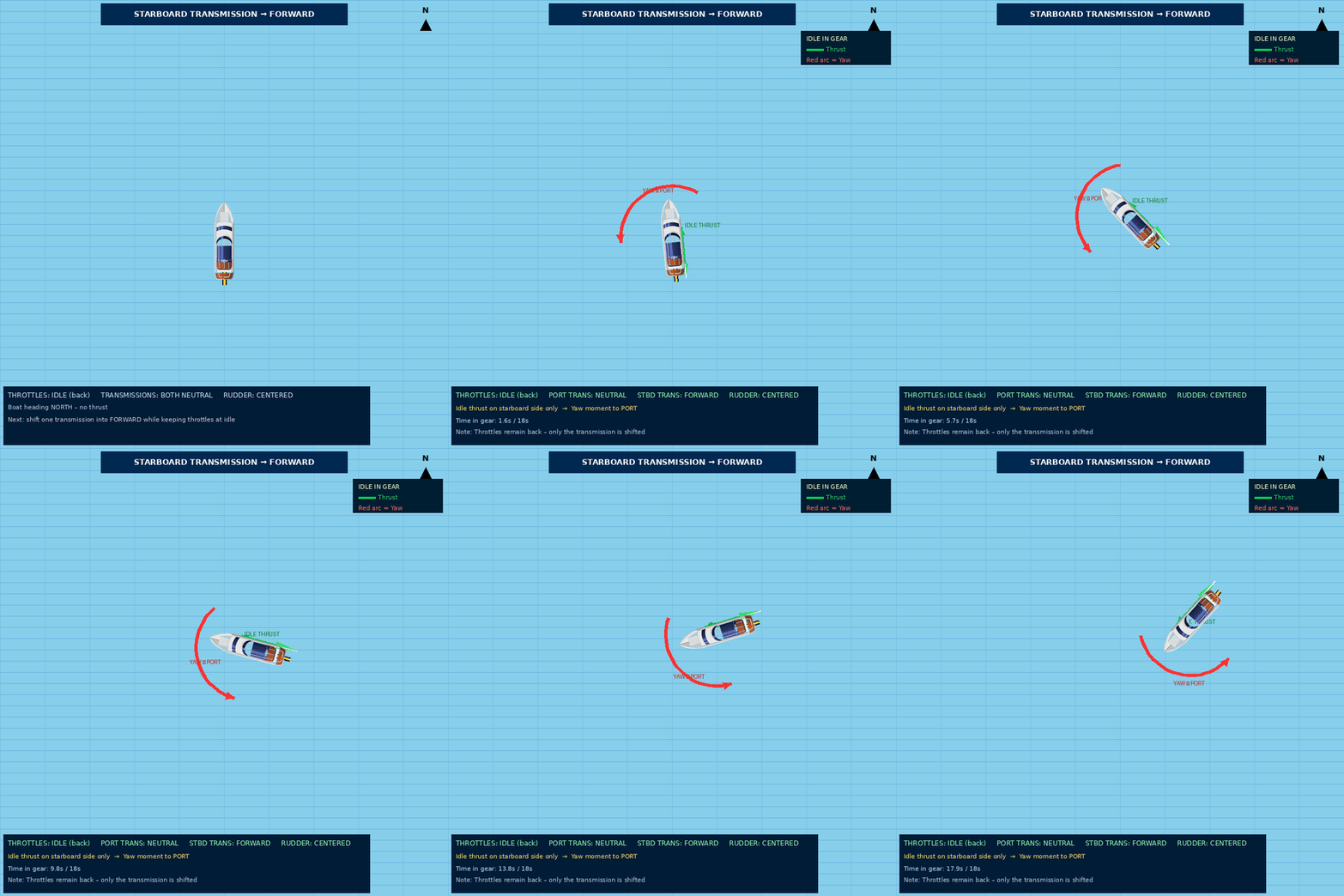
Figure 1: Throttles neutral, port transmission neutral, starboard transmission forward.
Recovery
Shift both transmissions to neutral. Use the opposite single-engine or differential inputs as needed to bring the boat back to the original heading and position.
Maneuver 2
Shift the port engine into forward (starboard remains in neutral). You will notice that the boat yaws to starboard. You will also notice that the stern rotates and moves to the port side. Again, watch the stern as well as the bow.
Expected result:
Bow swings to starboard, stern swings to port. Forward movement should stay minimal at idle.
Figure 2 shows what this maneuver should look like.
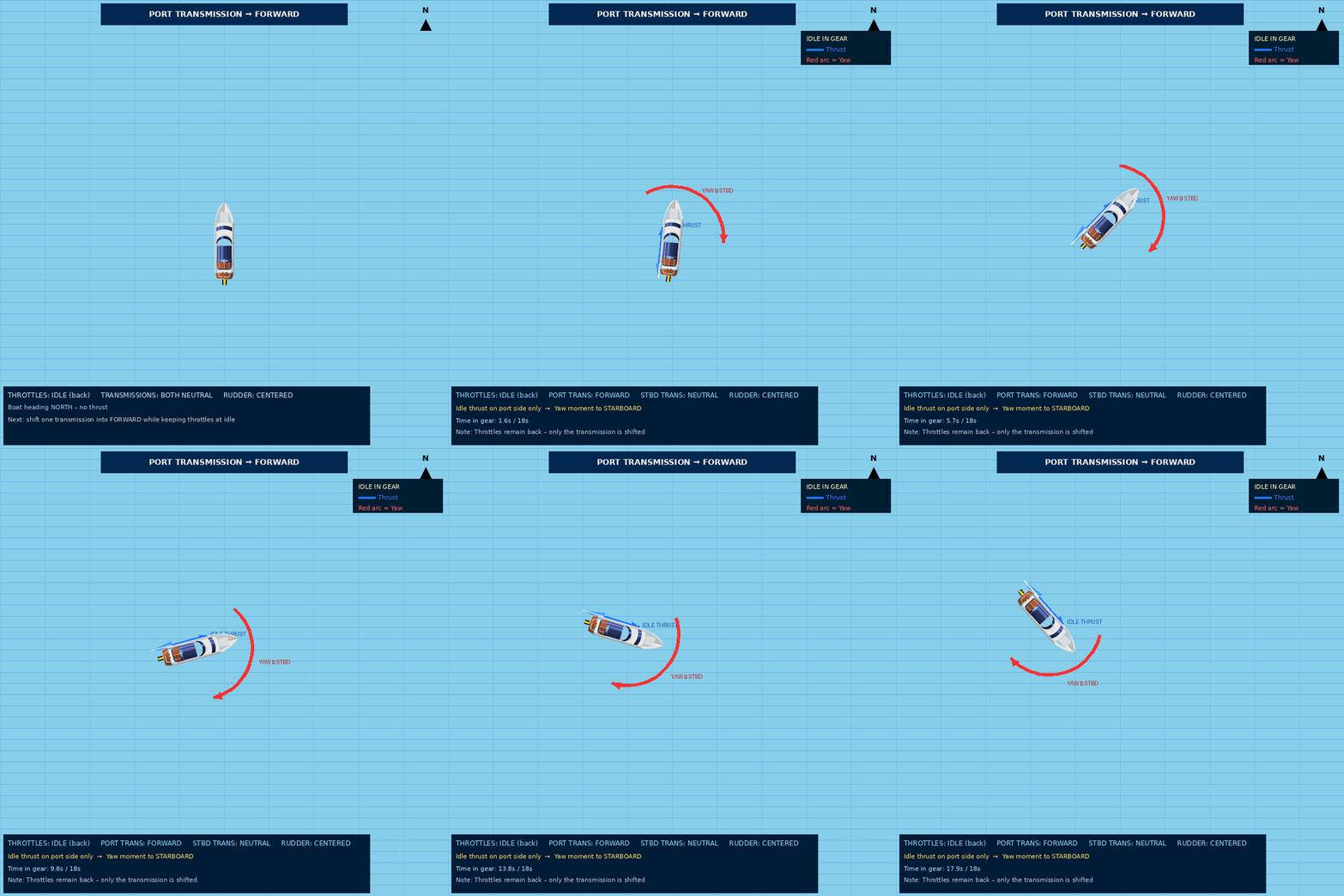
Figure 2: Throttles neutral, port transmission forward, starboard transmission neutral.
Recovery
Shift both transmissions to neutral. Use the opposite inputs as needed to return to the starting point.
Practice Maneuvers 1 and 2 several times and observe how your boat reacts, especially how your stern reacts and how quickly it moves.
Maneuver 3
Shift the starboard engine into reverse (port remains in neutral). You will notice that your bow yaws to starboard. You will also notice that your stern moves to port.
Expected result:
Bow swings to starboard, stern swings to port.
Figure 3 shows what this maneuver should look like.
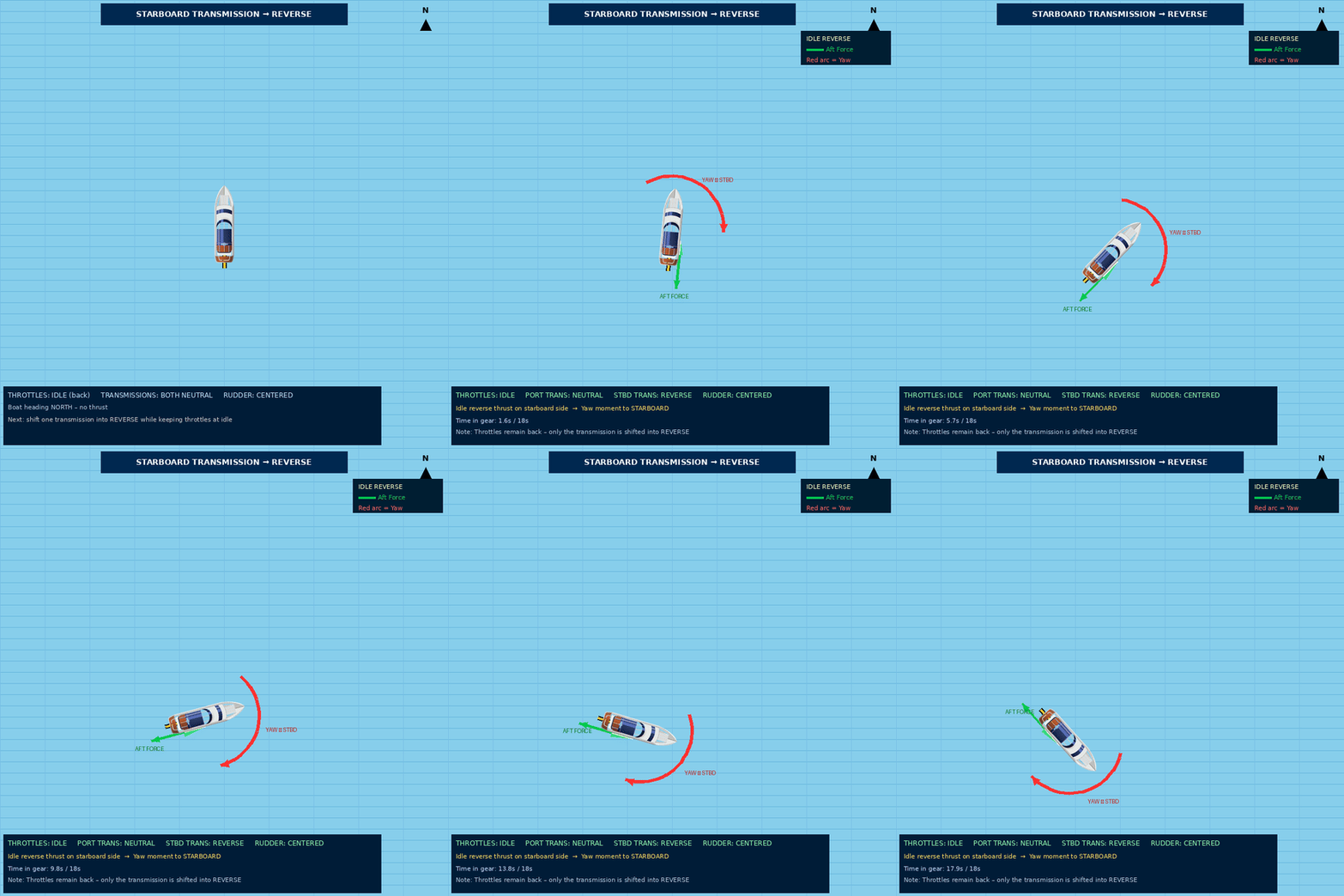
Figure 3: Throttles neutral, starboard transmission reverse, port transmission neutral.
Recovery
Shift both transmissions to neutral and return to the starting point using opposite inputs as needed.
Maneuver 4
Shift the port engine into reverse (starboard remains in neutral). You will notice that your bow yaws to port. You will also notice that your stern moves to starboard.
Expected result:
Bow swings to port, stern swings to starboard.
Figure 4 shows what this maneuver should look like.
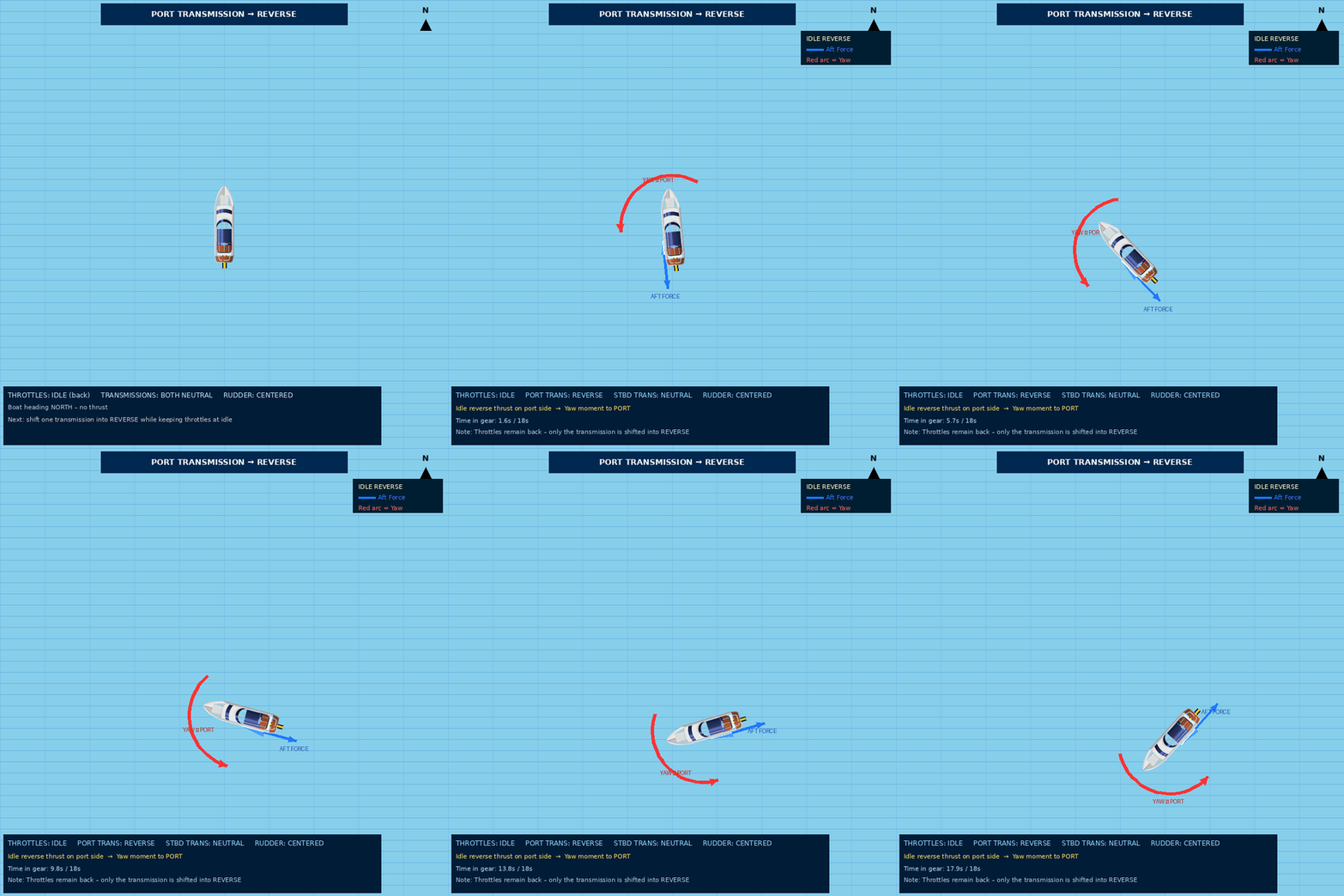
Figure 4: Throttles neutral, port transmission reverse, starboard transmission neutral.
Recovery
Shift both transmissions to neutral and return to the starting point.
Practice Maneuvers 3 and 4 a few times to get a good understanding of how your boat moves and maneuvers in reverse.
Now we are going to combine these exercises by using what is commonly referred to as “differential power.”
Maneuver 5
Shift your port engine into forward and your starboard engine into reverse. You will see that the boat pivots on its center. Notice the speed at which your bow and stern move.
Expected result:
The boat rotates roughly in place (pivot turn). Bow and stern both move, with little forward or reverse travel when done at idle.
Figure 5 shows what this maneuver should look like.
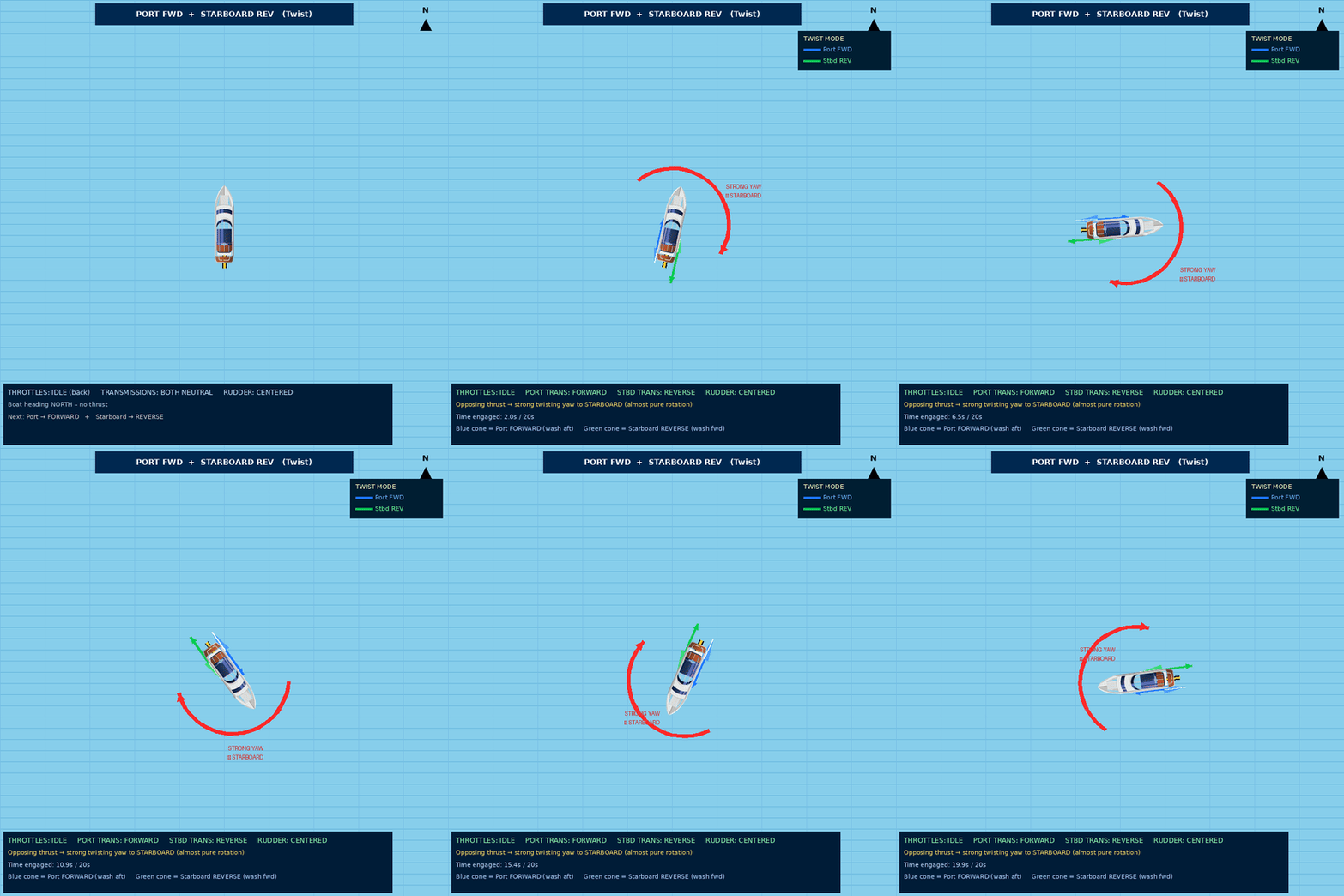
Figure 5: Throttles neutral, port transmission forward, starboard transmission reverse.
Recovery
Shift both transmissions to neutral and return to the starting point.
Maneuver 6
Shift your starboard engine into forward and your port engine into reverse. You will see that the boat pivots on its center. Notice the speed at which your bow and stern move.
Expected result: Pivot turn in the opposite direction from Maneuver 5.
Figure 6 shows what this maneuver should look like.
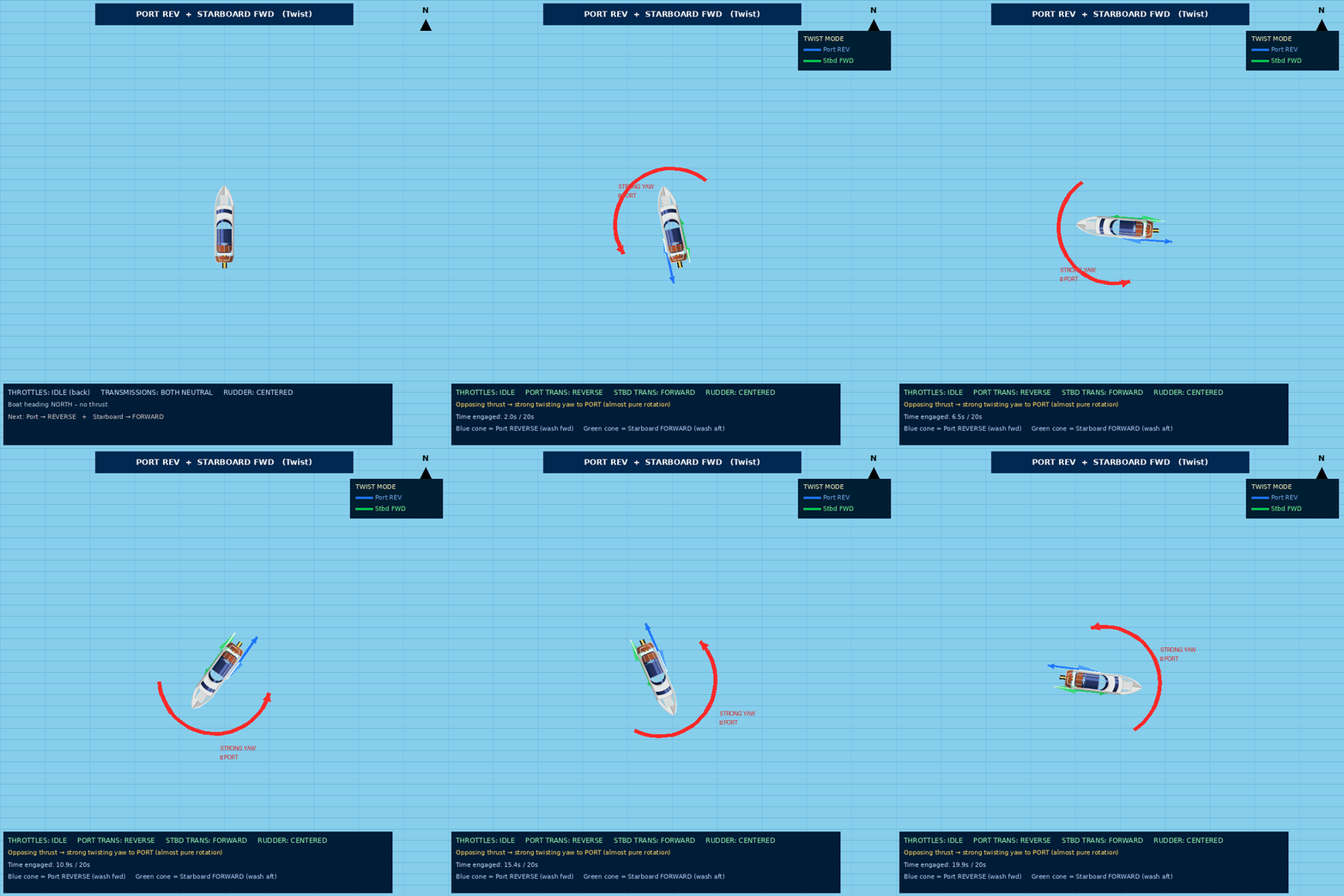
Figure 6: Throttles neutral, port transmission reverse, starboard transmission forward.
Recovery
Shift both transmissions to neutral and return to the starting point.
A few common mistakes to avoid
- Applying any throttle above idle (even a little changes the response dramatically).
- Focusing only on the bow and being surprised by how far and how fast the stern swings.
- Not fully returning to neutral and a centered rudder before starting the next drill.
- Practicing in current, wind, or crowded water before you are comfortable in calm conditions.
Practice these maneuvers until the reactions feel predictable. Once you are comfortable with transmission-only control, you can move on to Part 3 of Basic Attitude Boating.